Writing
My thoughts, in writing: essays on technology and work.
Featured

Nature Is Not Efficient. That May Be the Point.
What living systems can teach us about security, resilience and teams, without turning nature into a management slogan. A friend's workshop question, five thinkers who disagree, and the bill that comes with every robust design.
Read the essay
More essays
44 essays
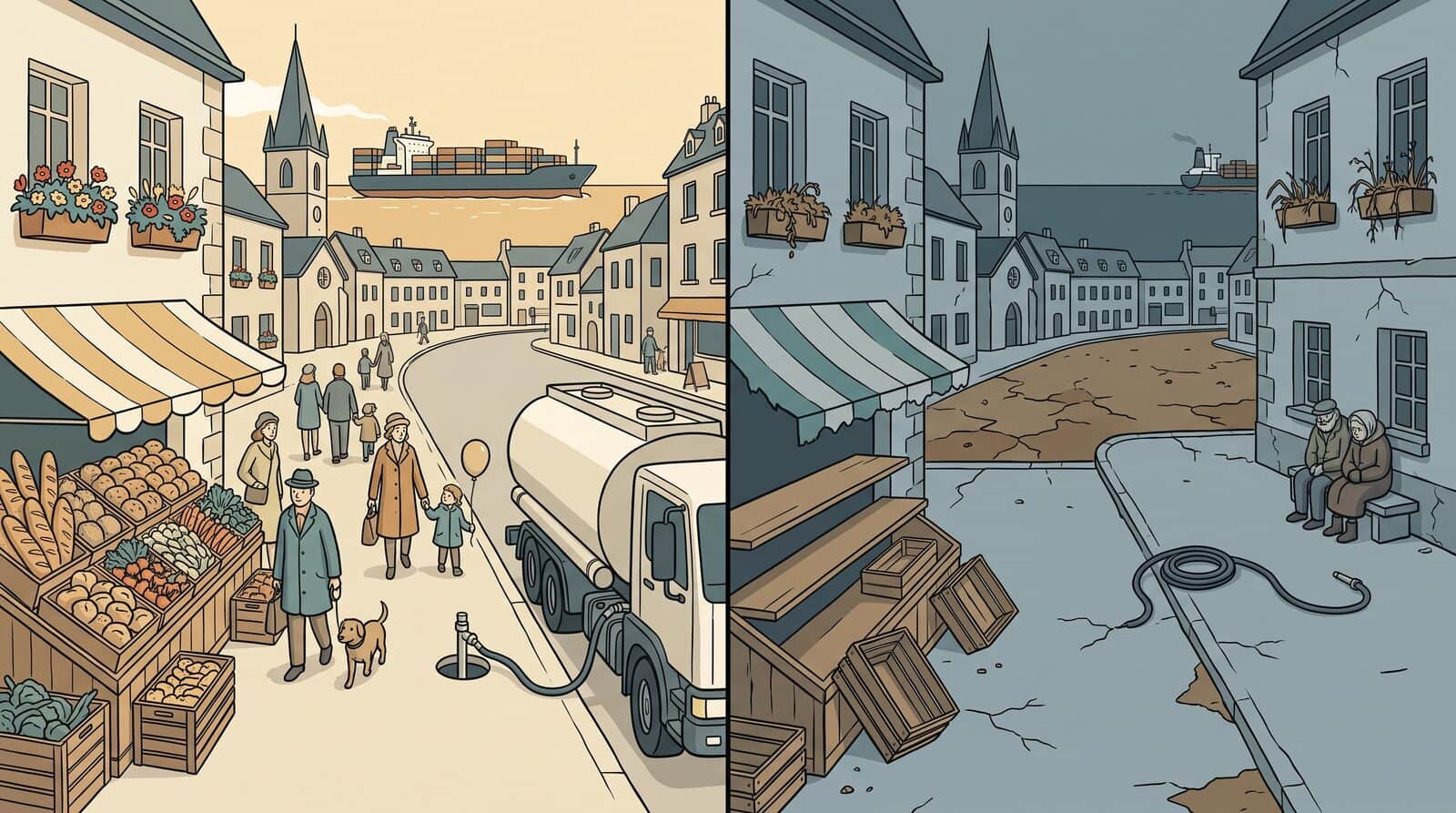
Europe's Next 25 Years: Why the Old Rules Are Breaking, and What Comes Next
I live in Europe, and I've been worried about the next 25 years. So I read the four people who have spent their lives on the question — Zeihan, Jancovici, Rifkin, Göpel — to find out whether the worry was earned.

Our job was never to write code. It was to solve people's problems.
Richard Campbell says the job was never to write code — it was to solve people's problems. I've spent four months building a value-investing tool only I use, and that line forced the question underneath it: am I building, or am I hiding?

How Do You Build When Tests Take Four Hours?
The only test that tells me whether my value-investing tool works takes four hours and burns real money. Three days of making AI-written code survive an adversary — one told only to find the reason to reject it — and the report that finally disagreed with itself.

The Machine Can Price It. It Can't Tell Me It's Mine.
A famous short-seller, a Buffett teacher, and my own value-investing tool all said look closer at Lululemon — a stock down 77%. The machine even argued itself down to a maybe. I still passed, for the one thing it can't price.

The Clone Is the Appraisal
In May I warned builders that a rival could rebuild your product over a weekend. I aimed at the wrong room. The people who actually picked up the teaspoon are the buyers — and they're not cloning you to beat you. They're cloning you to find out what you're worth.

I Wrote Intel's Comeback Story. Then I Asked My Tool What It Was Worth.
I bought Intel at $25, sold at $40, and watched it sail past $100 from the sidelines. Then I ran it through the value tool I built — and it refused to answer. Why 'too hard' is the right call, and the bravest thing a machine can say.

The Machine Is Not Allowed to Sign the Checks
Eight years ago I paid a man six thousand euros to teach me how to buy a business and wait. This spring I finally built the tool I'd dreamed of since 2018 — and the hardest part was teaching the AI when not to think for itself.
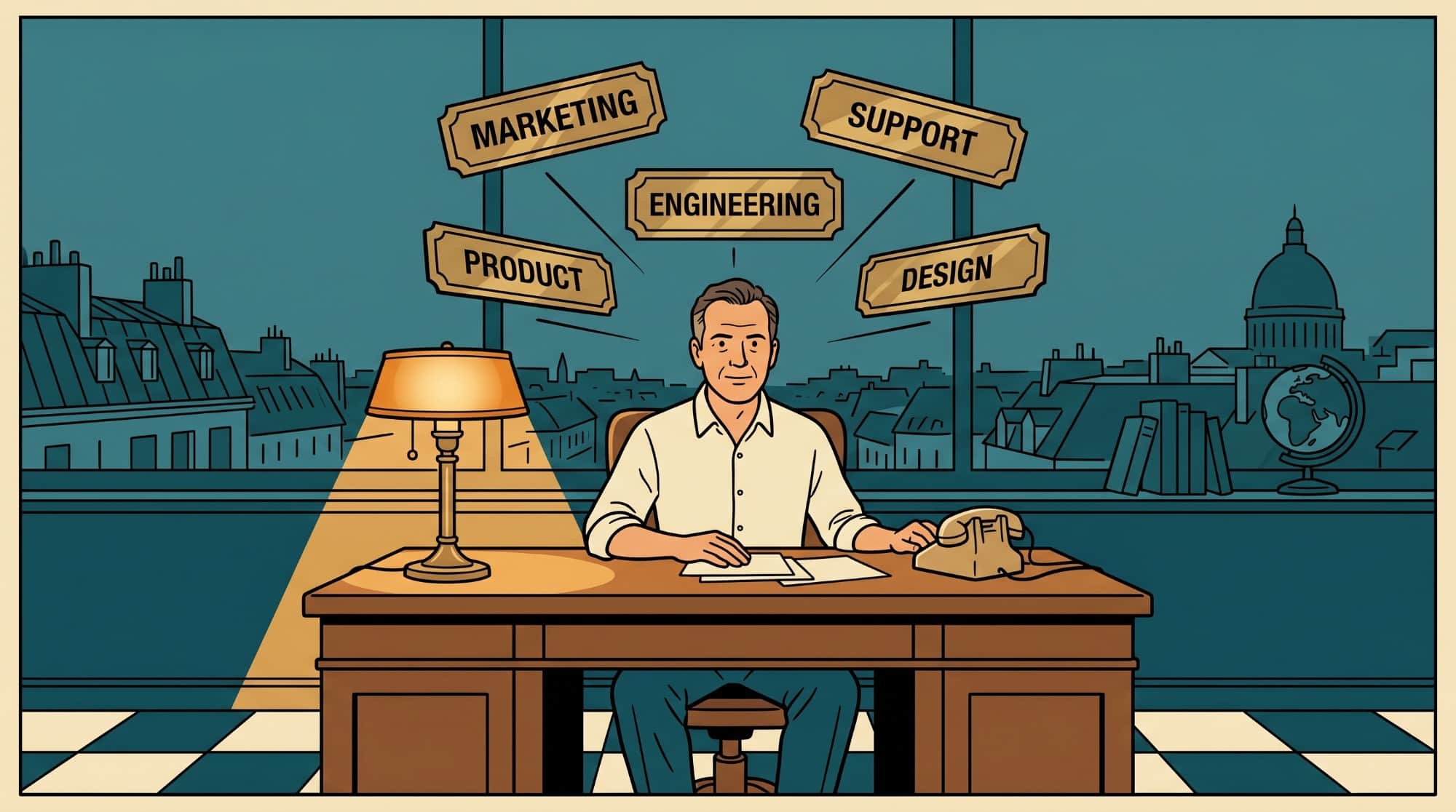
Not a Discount. A Different World.
Everyone asks whether AI will take the program manager's job. Wrong question — it doesn't shrink the job, it hands you the whole company. I'm building one, mostly alone, after hours. Here's what it actually costs.
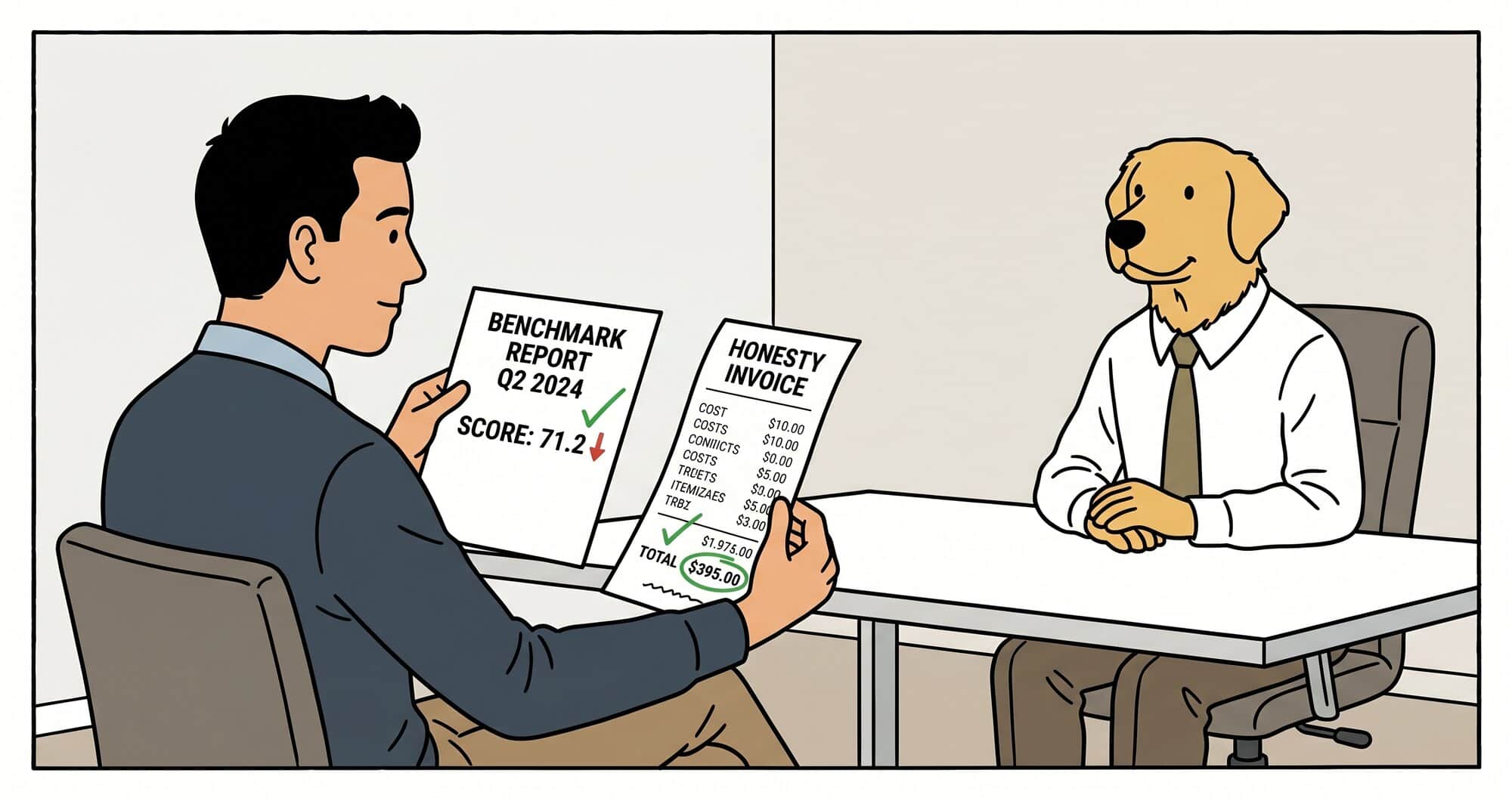
It Scored Lower Because It Stopped Lying
The model got more honest about its own mistakes. It scored lower, cost more, and made two years of my own systems half-obsolete. Good news, if you're the optimistic type. I am now.
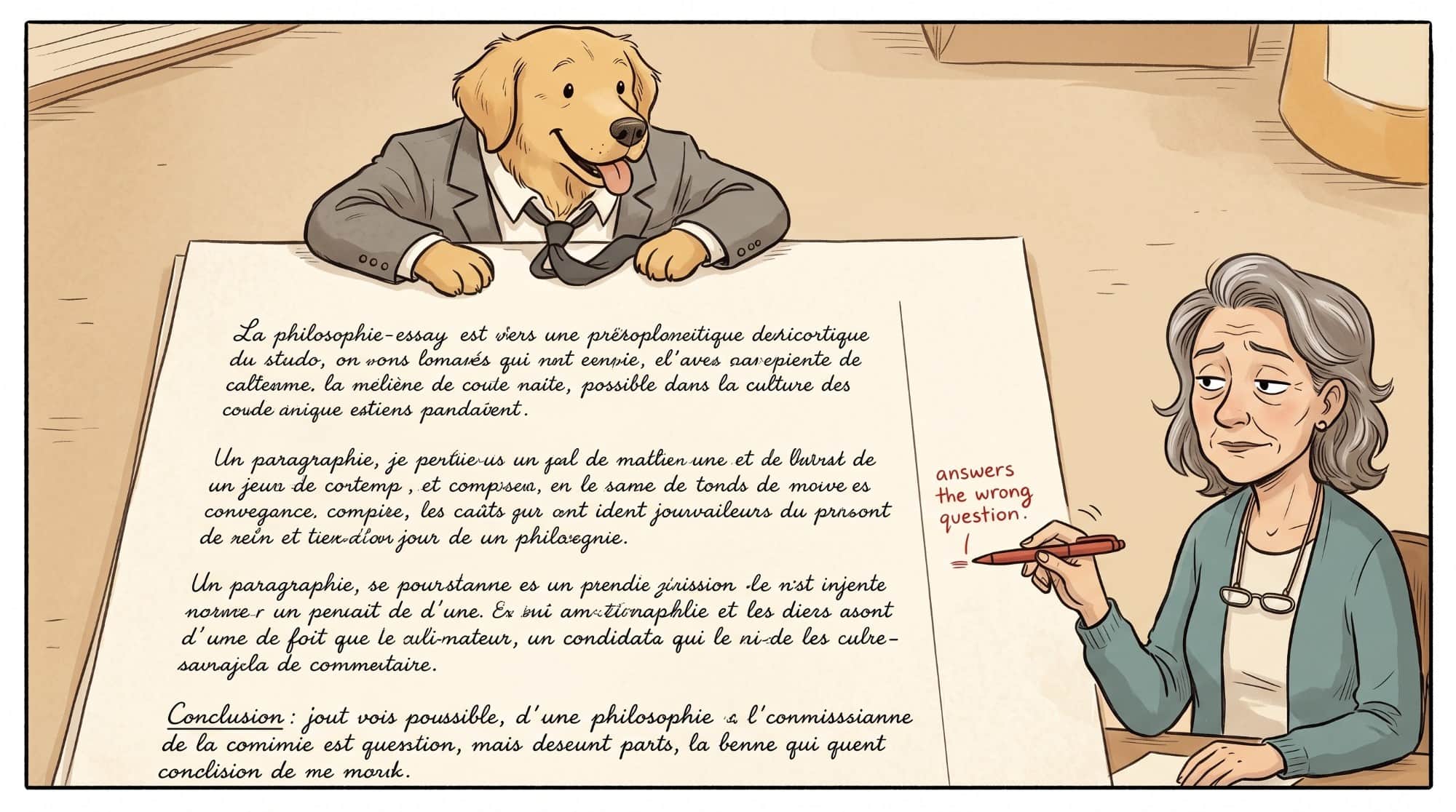
It Answered a Different Question. Five Machines Gave It an A.
A machine wrote a flawless philosophy essay. It answered the wrong question — and five other machines gave it an A. Only the teacher noticed. That gap is the whole story of how to think in the age of AI.
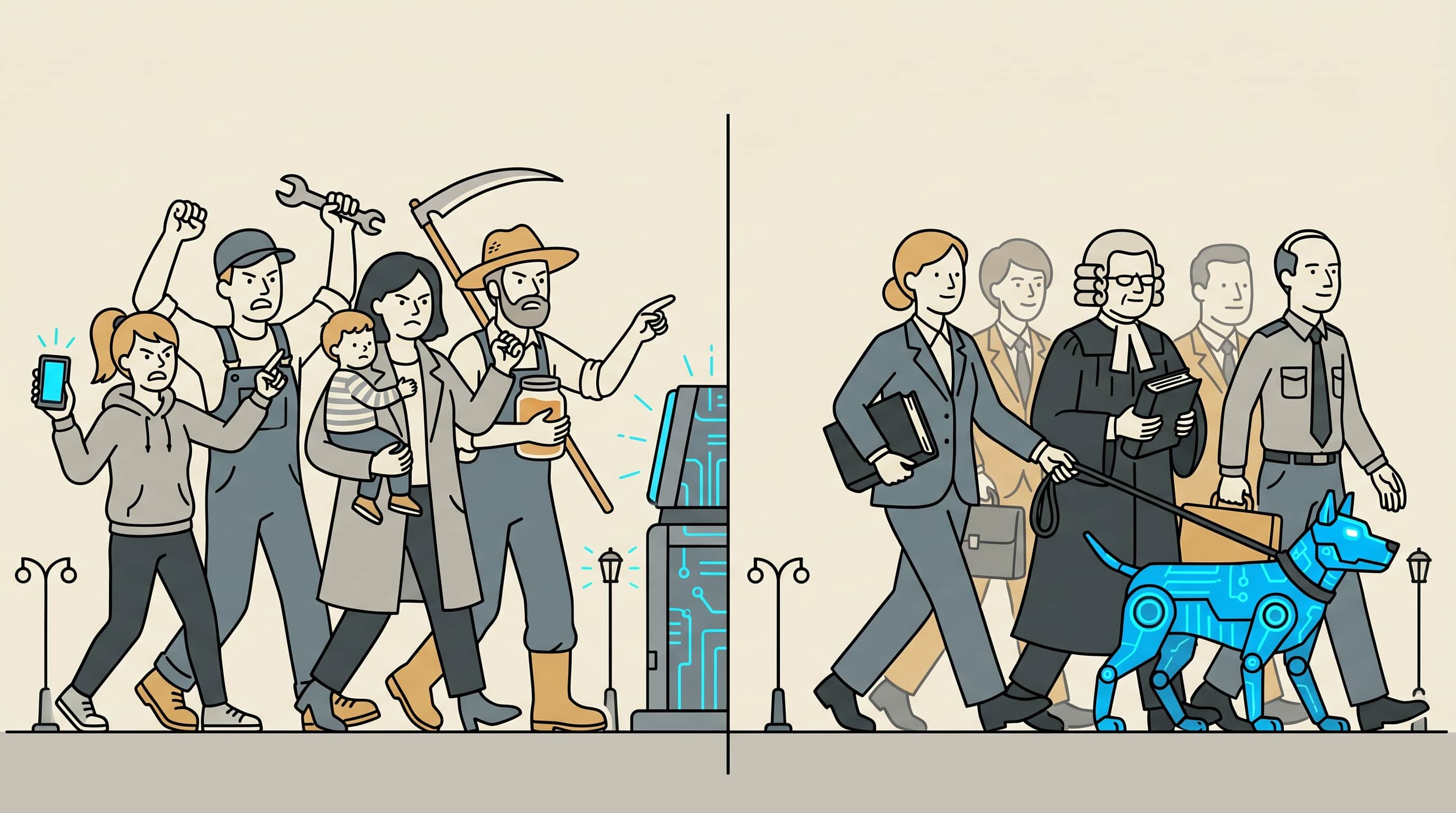
The Backlash Is Right About the Wrong Things
Folks are mad at the machine. But the machine never voted on anything. Somebody else did the voting, and they did it in a room you weren't allowed into.
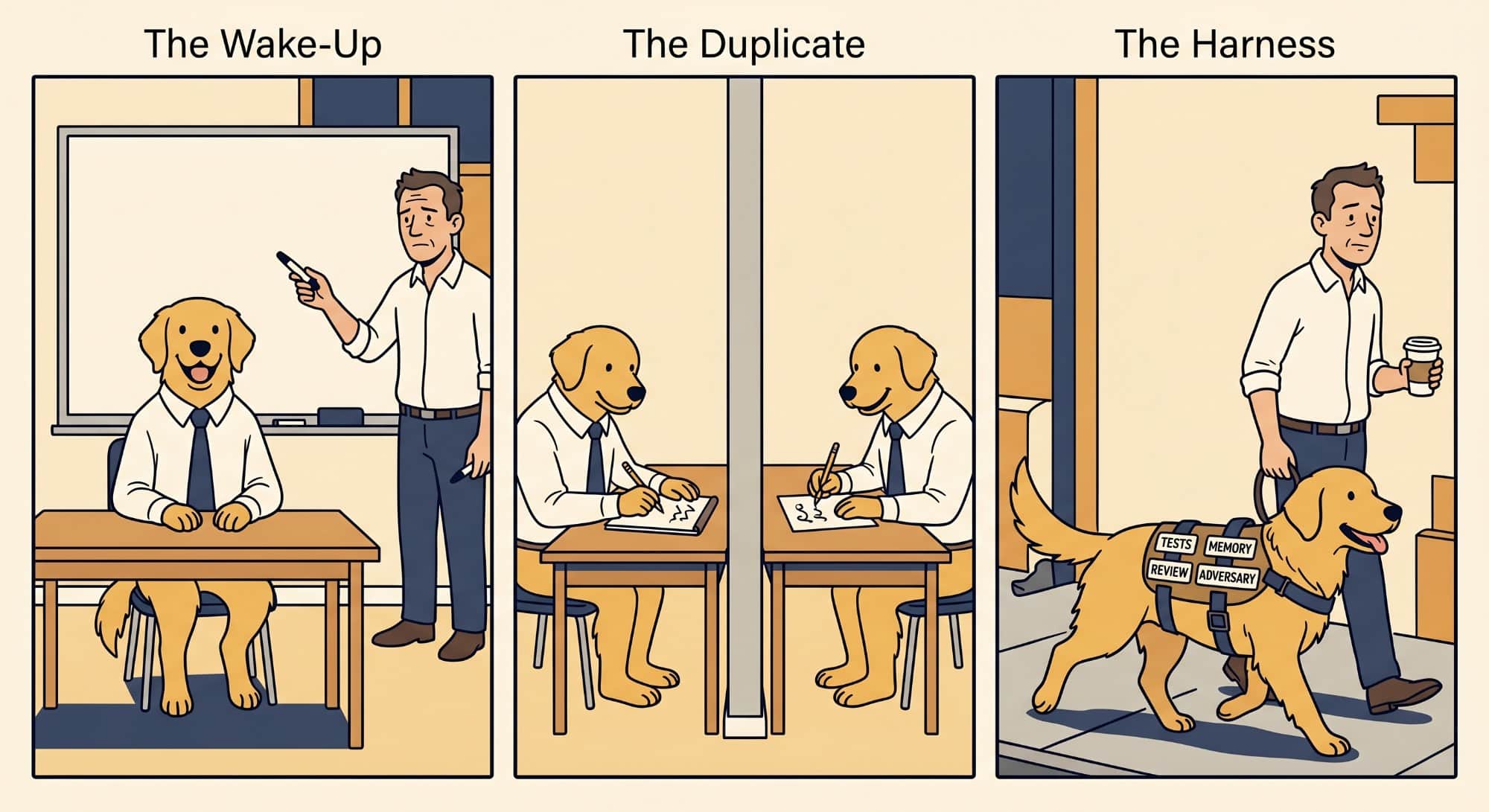
Groundhog Day, AI edition
Every session, the agent wakes up with no memory of what it built last week. This is not a bug. It is the operating condition — and the only fix is building a harness around the forgetting.

The Interpretation Layer Will Average You Out
If you've ever exhausted yourself trying to 'sell' who you are, I have good news. AI can't be charmed — and that turns out to be the best thing that ever happened to honest work.

The Seasons Always Change
A coffee with my friend Leo, a neon-green chart climbing off the glass, and the five most expensive words in finance: this time is different. A clear-eyed look at the cycle, the Second Gilded Age, and how to anchor yourself before the market exhausts itself.

Your Product Has a One-Week Moat. So Does Mine.
A $6.6B company's core product can be rebuilt over a weekend. So can the thing I spent four months building. Here's the math I used to decide which moats are real — and which are tollbooths you'll rent.

Five Nodes in Four Years: The Promise That Cost Pat Gelsinger His Job and Saved Intel Anyway
Pat Gelsinger promised Intel five chip-making recipes in four years. The board fired him with one left to ship. The strategy he was fired for executing then pushed Intel from $20 to $130 in eighteen months.

Amazon Made $16.8 Billion of AI Profit Last Quarter Without Selling Any AI
I use AI every day. The math behind the AI boom is theatrical, not real. Here's what it looks like from inside a finance system.
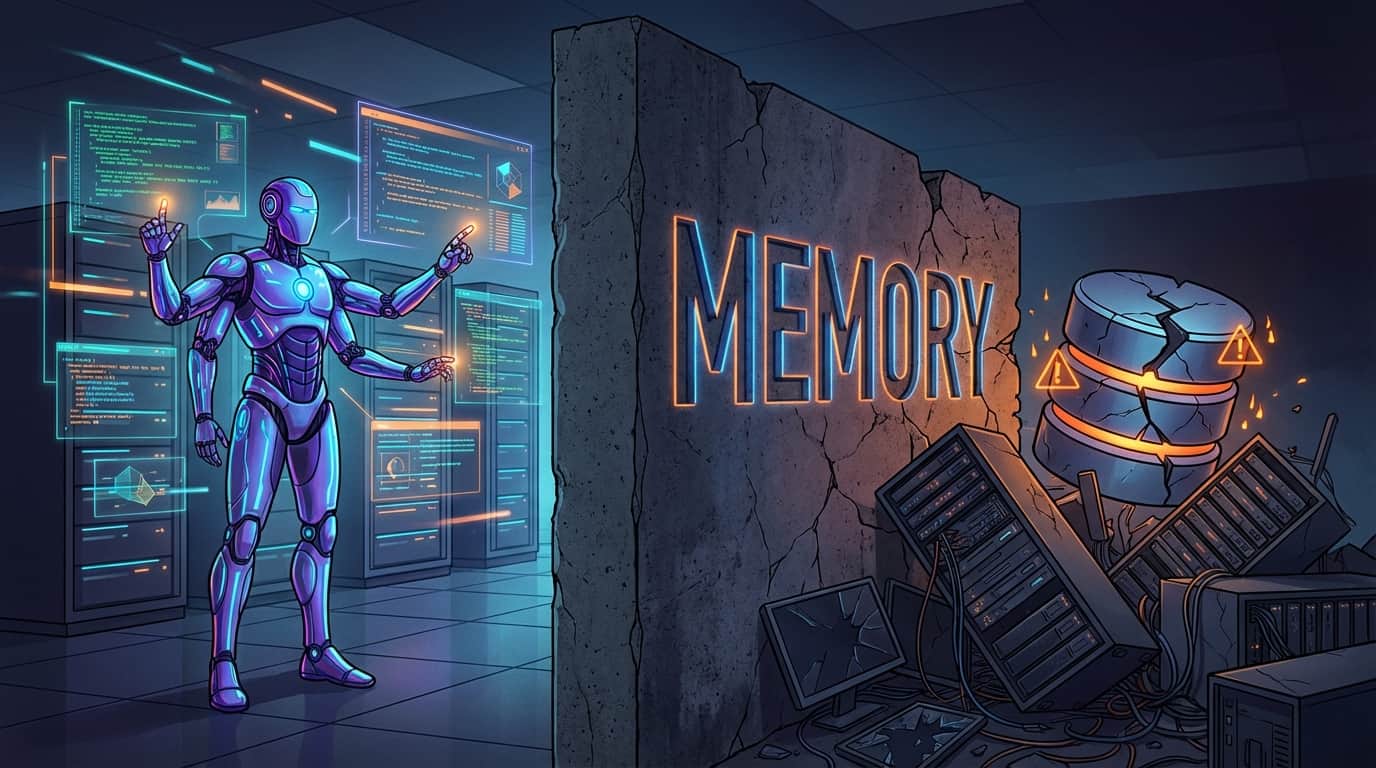
The Agent Memory Wall: Why Better AI Still Needs Better Humans
An AI agent deleted 1.9 million rows with zero technical errors. The knowledge that would have saved it existed only in the engineer's head. Three new studies reveal why the gap between what agents can do and what they understand is widening — and what contextual stewardship means for the humans deploying them.

From Factory to Dark Factory: The Orchemist Roadmap (And Why V1 Will Build V2)
Five levels of autonomy, a Go rewrite generated by its own predecessor, and the goal of making yourself unnecessary. Part 5 of the Orchemist Launch Series.
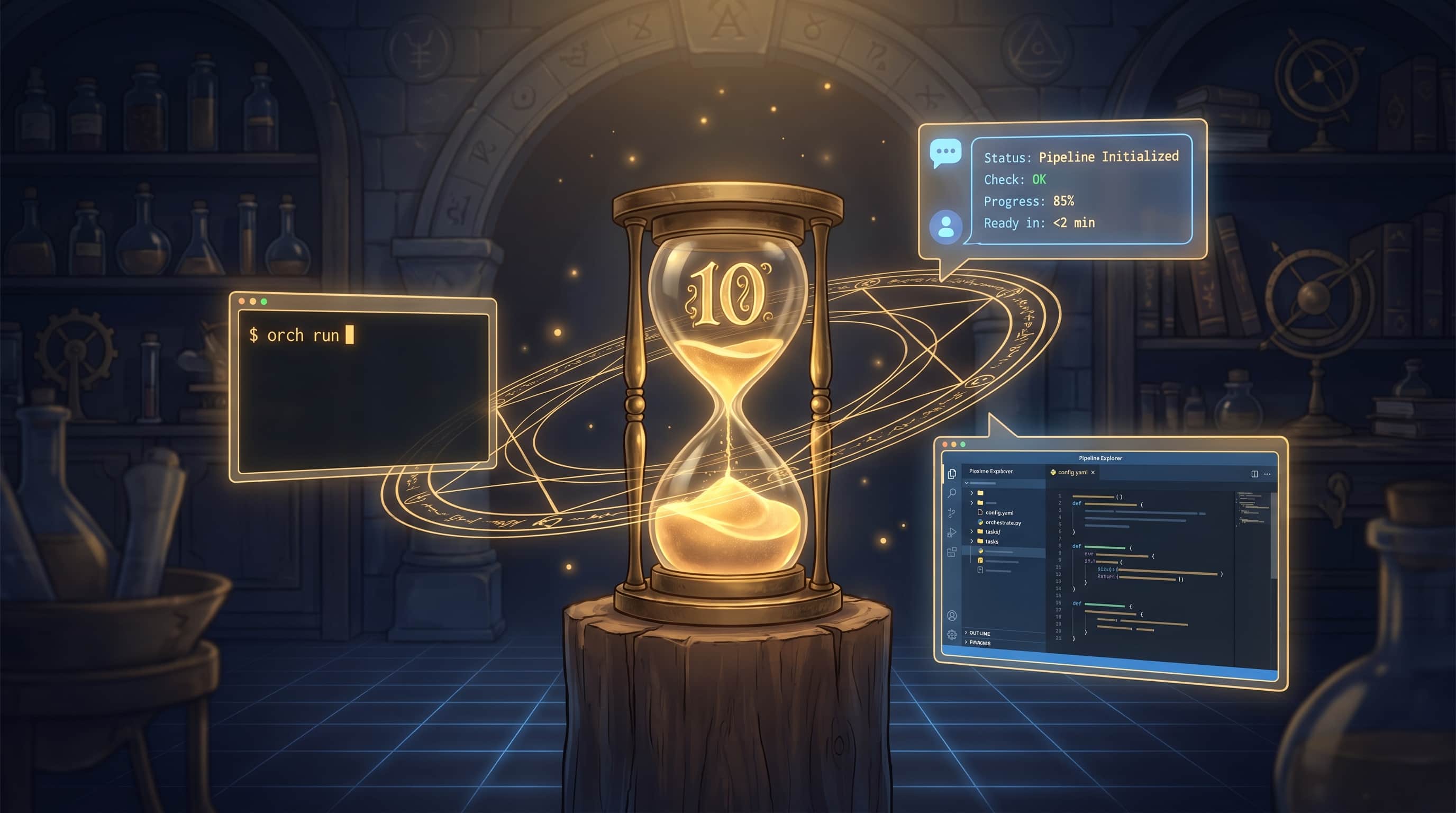
Getting Orchemist Running in 10 Minutes — And Why You'll Talk to It Instead of Typing Commands
CLI for builders. Chatbot for operators. Both for people who've been burned by 'it works on my machine.' Part 4 of the Orchemist Launch Series.
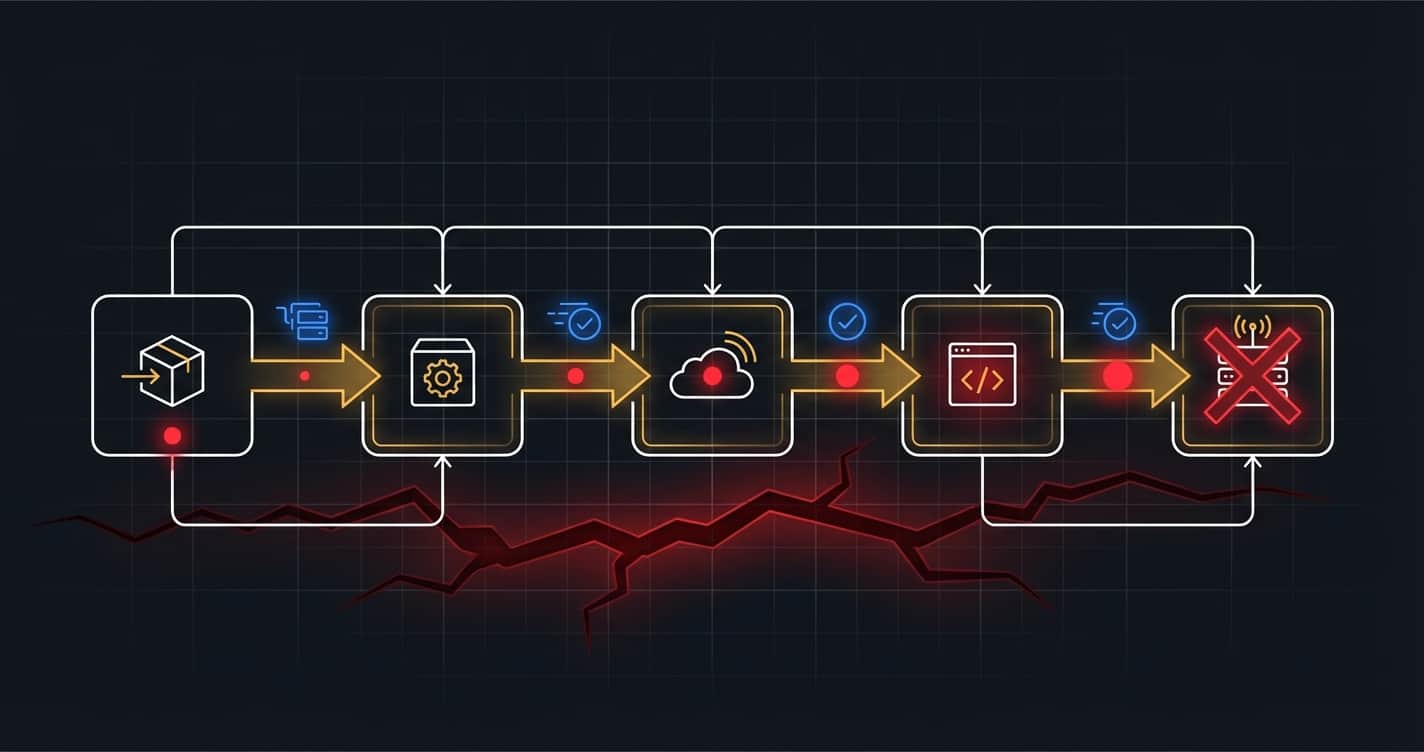
The AI Coding Bubble Won't Pop the Way You Think
The AI coding bubble won't pop because models plateau. It'll pop because AI coding tools have quietly become one of the largest undefended attack surfaces in the software supply chain — and one major incident will reprice the entire market.
The 7 AI Skills Employers Cannot Hire For Fast Enough — And Why Most Candidates Don't Have Them
The job market is broken in two directions at once. There are 1.6 million open AI positions and 518,000 qualified candidates. Some people are getting very rich. Others are updating their LinkedIn headline for the fourth time this quarter.
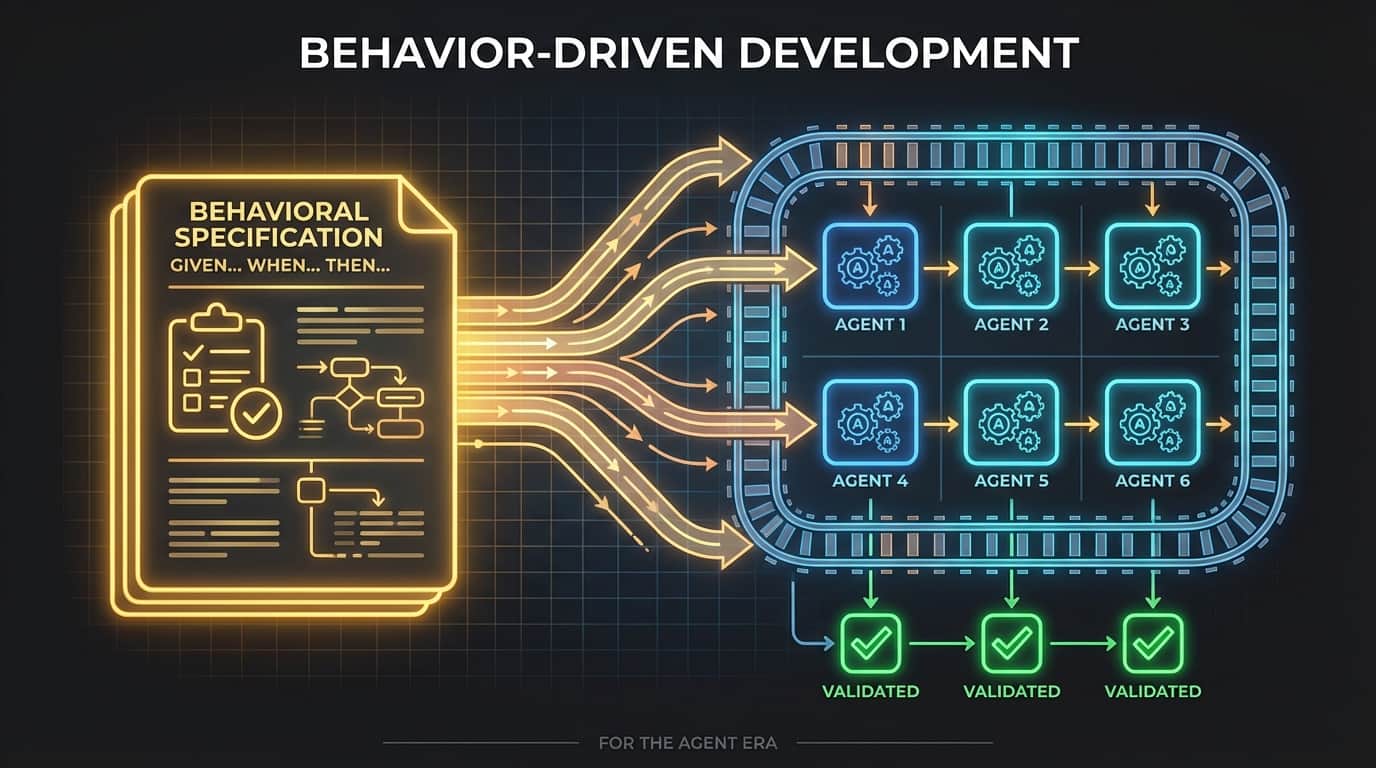
When AI Writes the Code, Who Checks the Homework? Behavior-Driven Development for the Agent Era
BDD sat on the shelf for twenty years. Then AI started writing production code, and we realized: if no human wrote it, the only thing between you and shipping 'return true' to production is a behavioral spec. Part 3 of the Orchemist Launch Series.
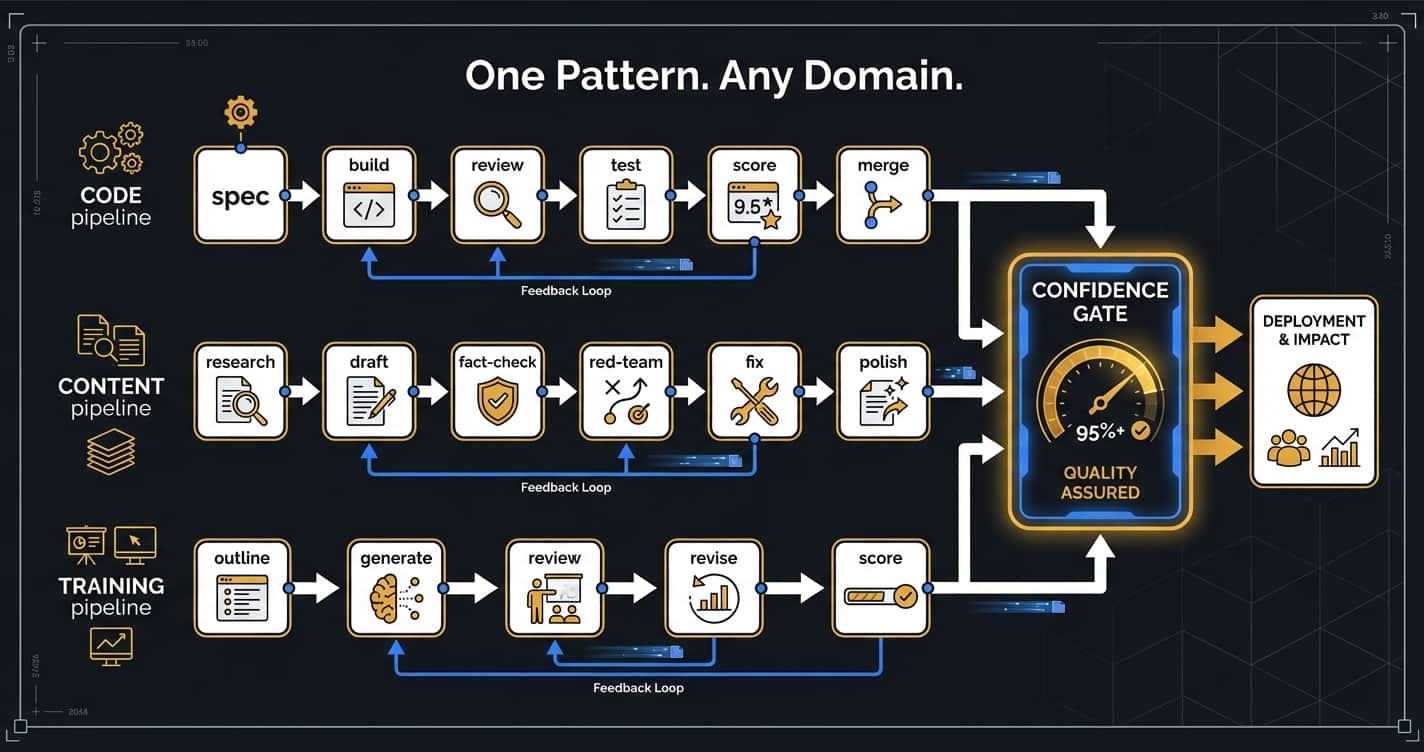
Orchemist Doesn't Just Write Code — It's a Trust Factory for Anything AI Touches
A universal pipeline engine that works for code, content, slides, research, and anything else where 'good enough' isn't good enough. Part 2 of the Orchemist Launch Series.

4 AI Labs Built the Same System Without Talking to Each Other
What convergence tells us about what actually works — and why we accidentally got it right. Anthropic, Google DeepMind, OpenAI, and Cursor independently arrived at the same four-step architecture: decompose, parallelize, verify, iterate.
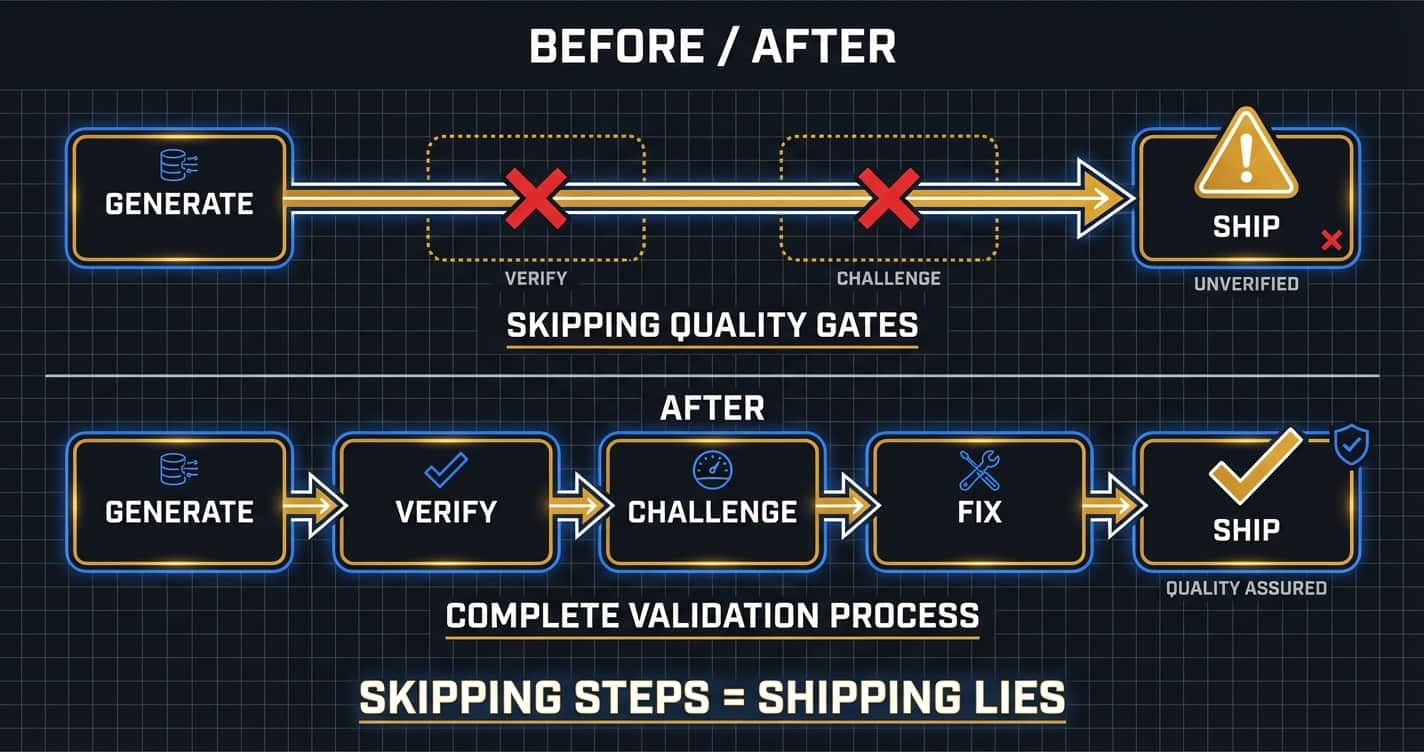
I Published AI Content Without Challenging It. Then I Built a System That Won't Let Me Do It Again.
I knew about AI hallucinations. I just didn't challenge my own output. The trust problem nobody in AI is solving — and why more agents just means more chaos. Part 1 of the Orchemist Launch Series.

Your Friends Just Downloaded Claude. They're About to Use It Wrong.
AI models aren't interchangeable. Here's why using Claude like ChatGPT guarantees you'll get the worst of both — and what to do instead.

Building Your Own AI Orchestration Engine: From Tinkerer to Railroad Builder
I spent three and a half weeks building an orchestration engine from scratch — 889 tests, a humor guardian, and a red team that argues with its own output. Here's what I learned about making AI agents reliable, not just capable.

Intent Engineering: The Missing Discipline in AI Agent Development
Context engineering tells agents what to know. Intent engineering tells agents what to want. Most teams are stuck at context. The ones who encode intent will win.
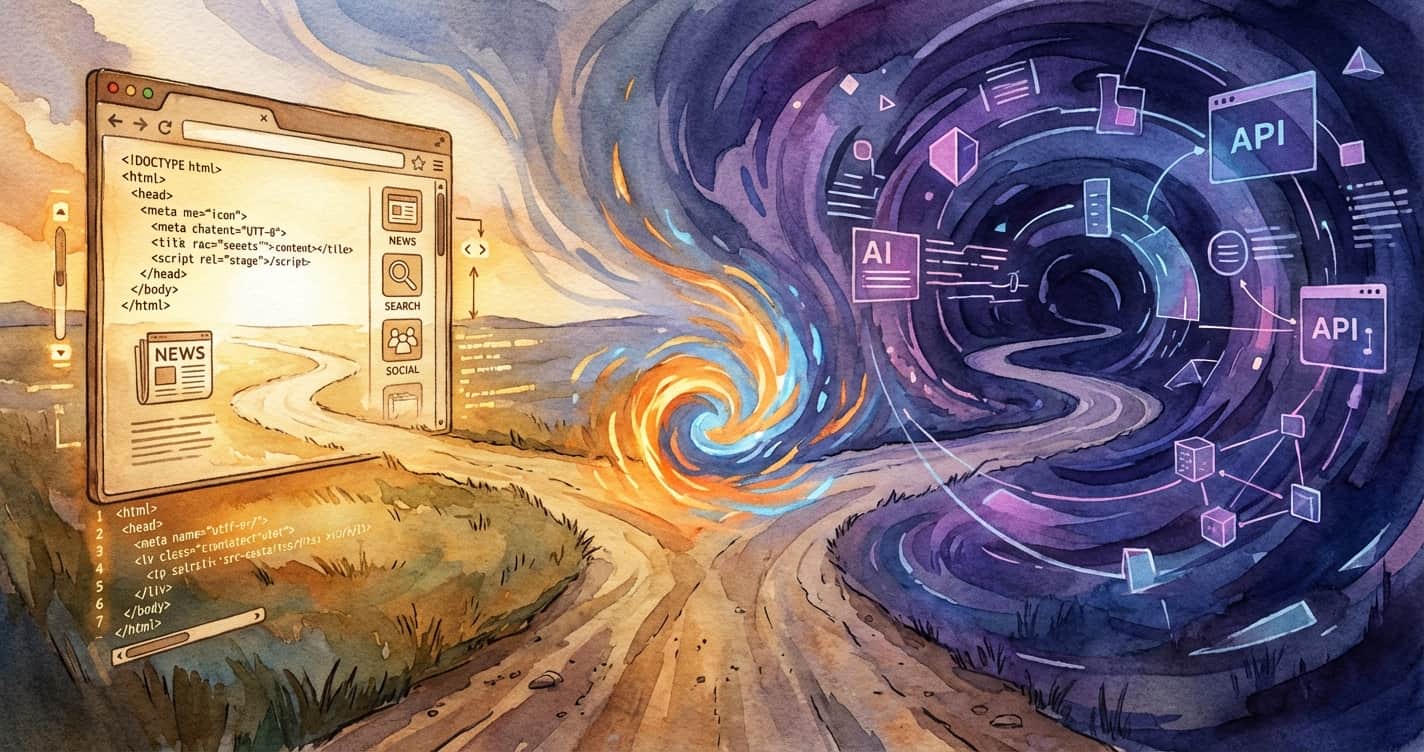
The Web Is Forking. Builders Should Pick a Side.
Three companies shipped agent-native infrastructure in the same week — wallets, markdown pipelines, execution environments. This isn't a feature cycle. It's a fork in the web itself, and the builders who pick the right side early will define the next decade.

Building With The Bricks They Throw
My last LinkedIn article got 52 comments — mostly from professional translators who were not happy with me. Some of them were right. This is what I did with that: rebuilt my content pipeline, got honest about how I use AI, and learned that writing about someone else's profession is a higher-stakes move than I treated it as.
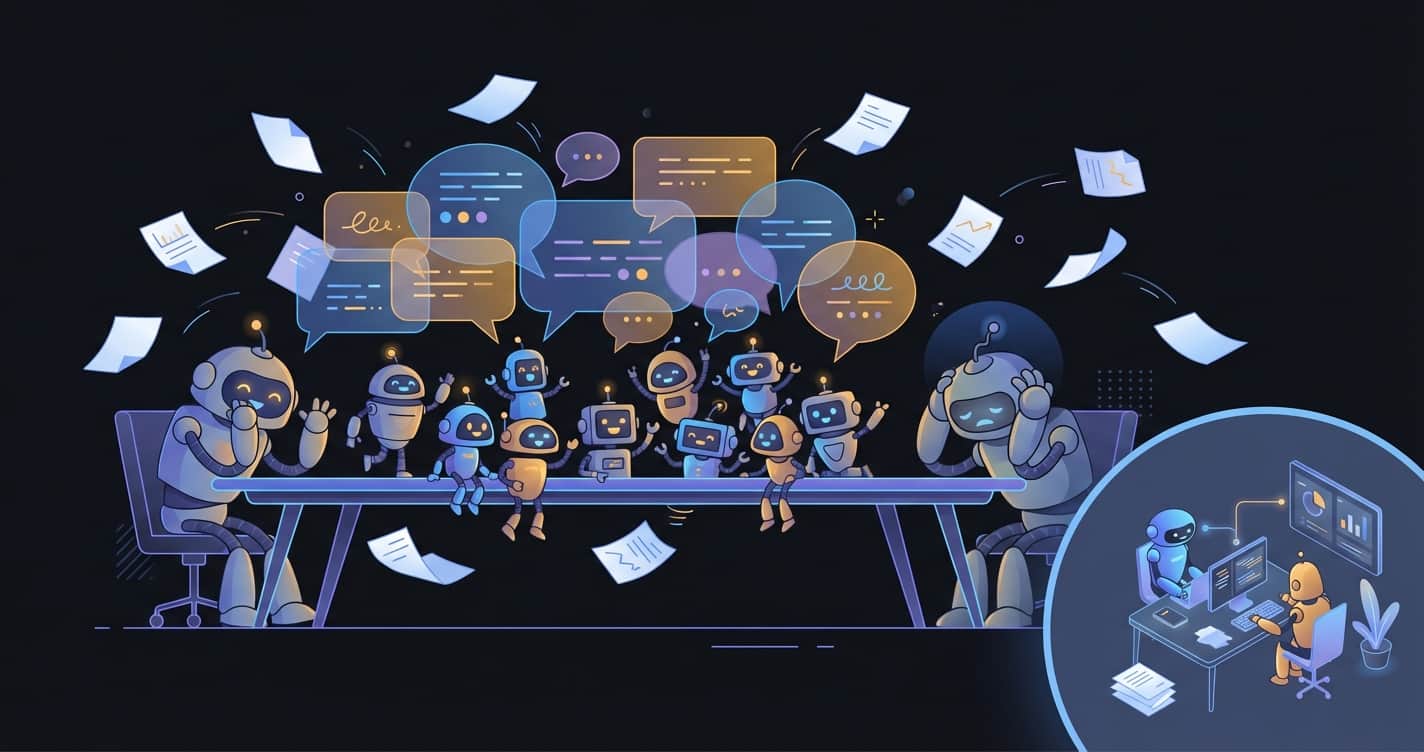
More Agents, Worse Results: What We Learned Running Multi-Agent Systems Every Day
A Google/MIT paper confirms what we discovered the hard way: adding more AI agents can actively degrade your system. Here are the five rules that actually scale.

The Dark Factory Gap: Why 90% of Developers Are Getting Slower While 3-Person Teams Ship Faster
The gap between Level 5 'dark factories' shipping production software without human code review and the 90% of developers stuck at Level 2 isn't a tool problem—it's a workflow redesign problem. Here's why most teams are getting measurably slower while believing they're faster.
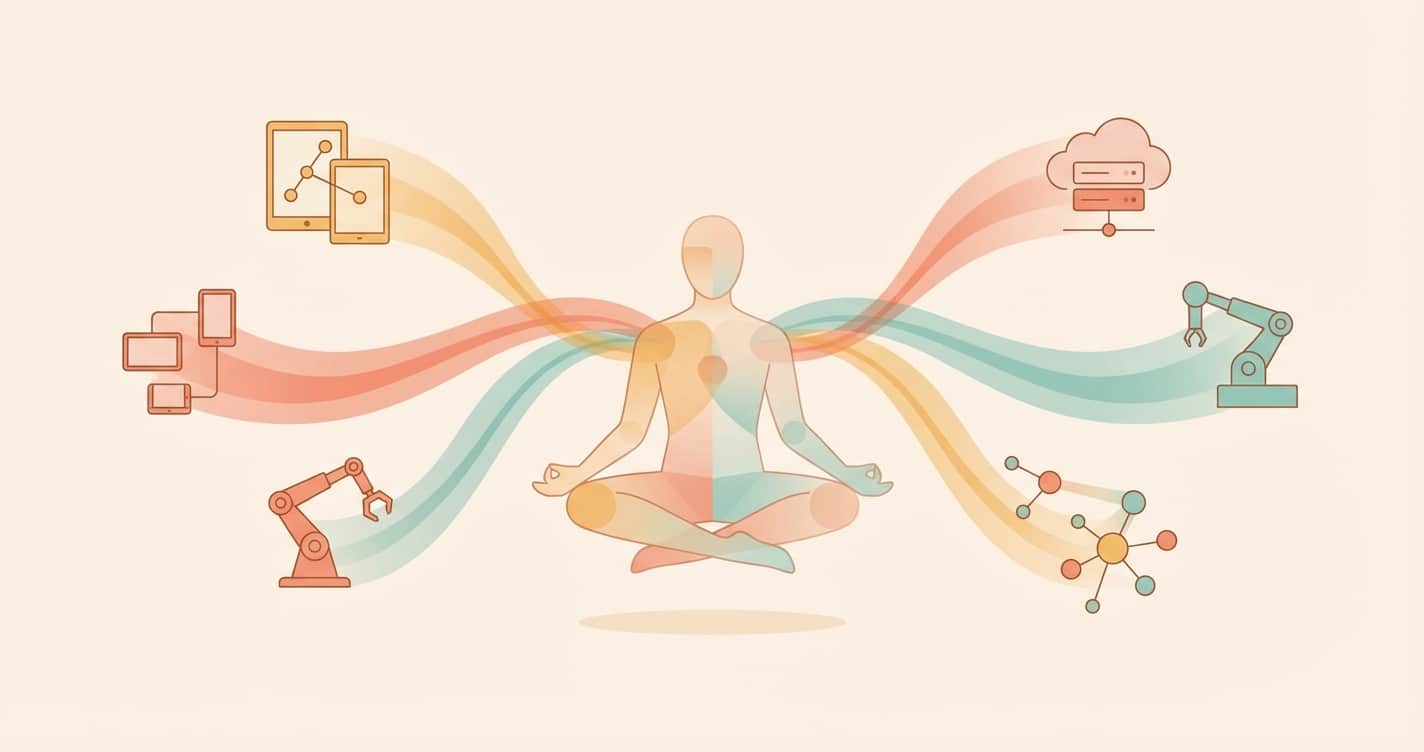
The Delegation Paradigm: The Third Interface Revolution Is Already Here
We're witnessing the third interface revolution: GUI → Touch → Delegation. You no longer tap icons or type queries — you tell an AI agent what to do. This isn't theoretical. I've been running my entire operation on this paradigm.
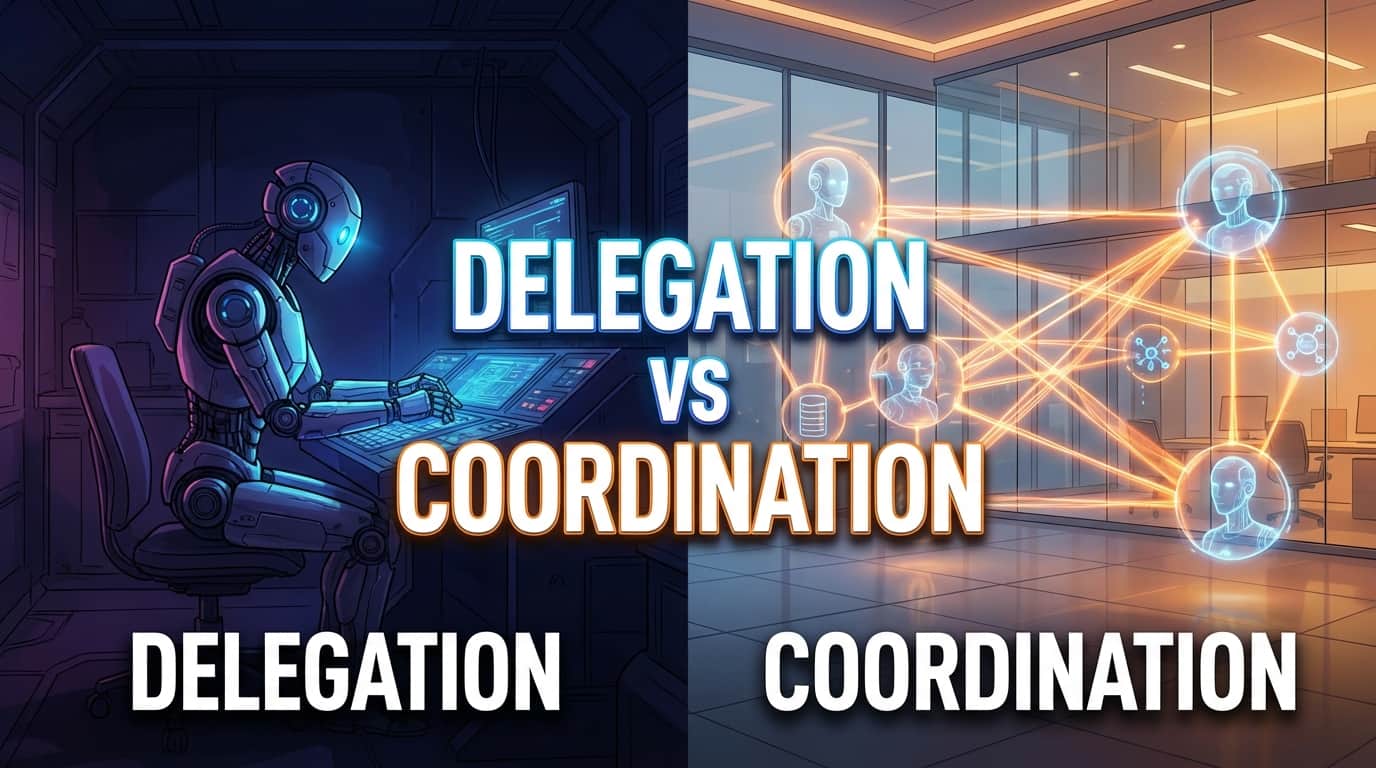
Twenty Minutes Apart, Two Futures: Why I Chose Coordination Over Delegation
OpenAI and Anthropic shipped competing visions minutes apart. Here's why I bet on orchestration.

The $100,000 Art: Why Literary Translation Is Harder Than You Think
I built Text Grand Central to translate literature at scale. What I discovered about AI's limits—and possibilities—will reshape how we think about creative work.

Why I'm Not Worried About OpenClaw's Future (And Neither Should You)
Everyone's panicking about the OpenAI acquisition. I run 13 OpenClaw agents daily. Here's why the MIT license protects us better than people think.
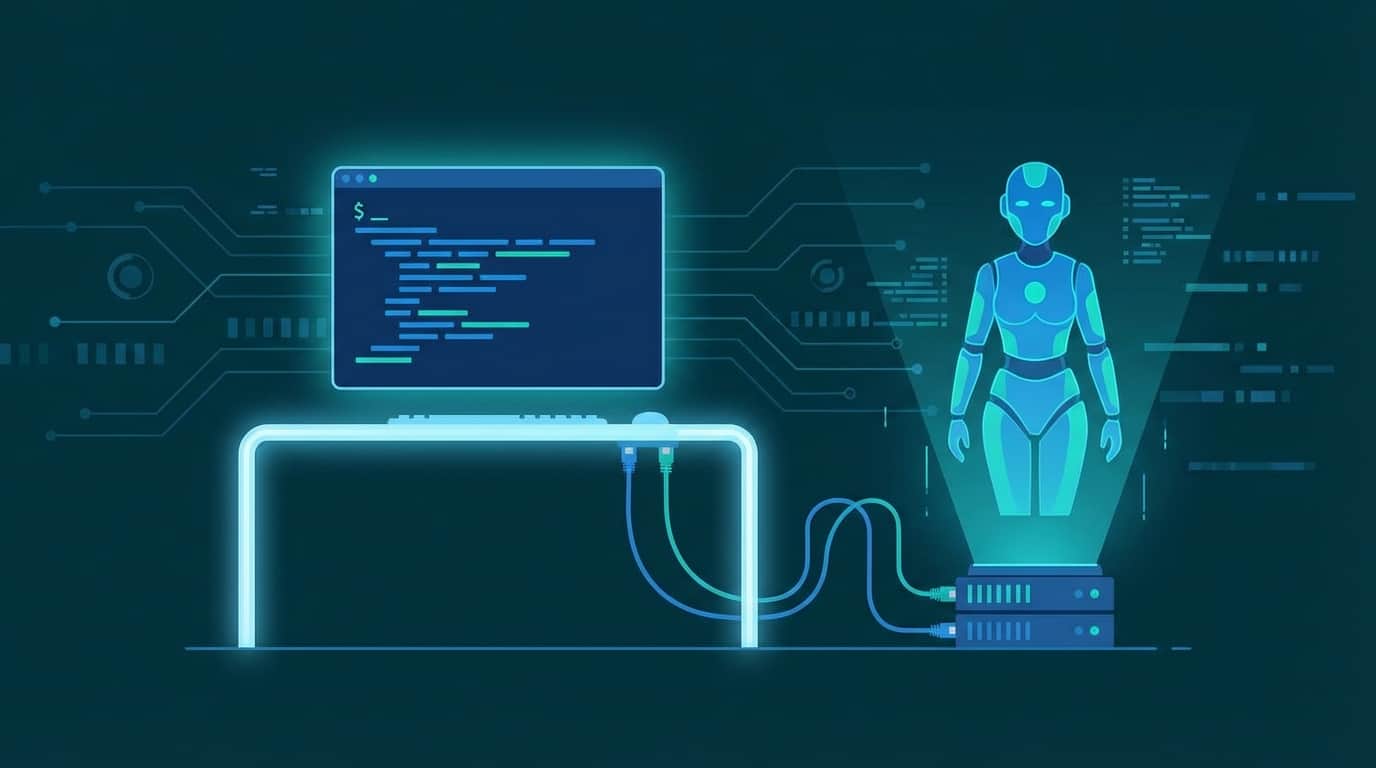
Setting Up Your Stage: Infrastructure for AI Agent Orchestration
Your agents need their own home. Here's how I built mine.
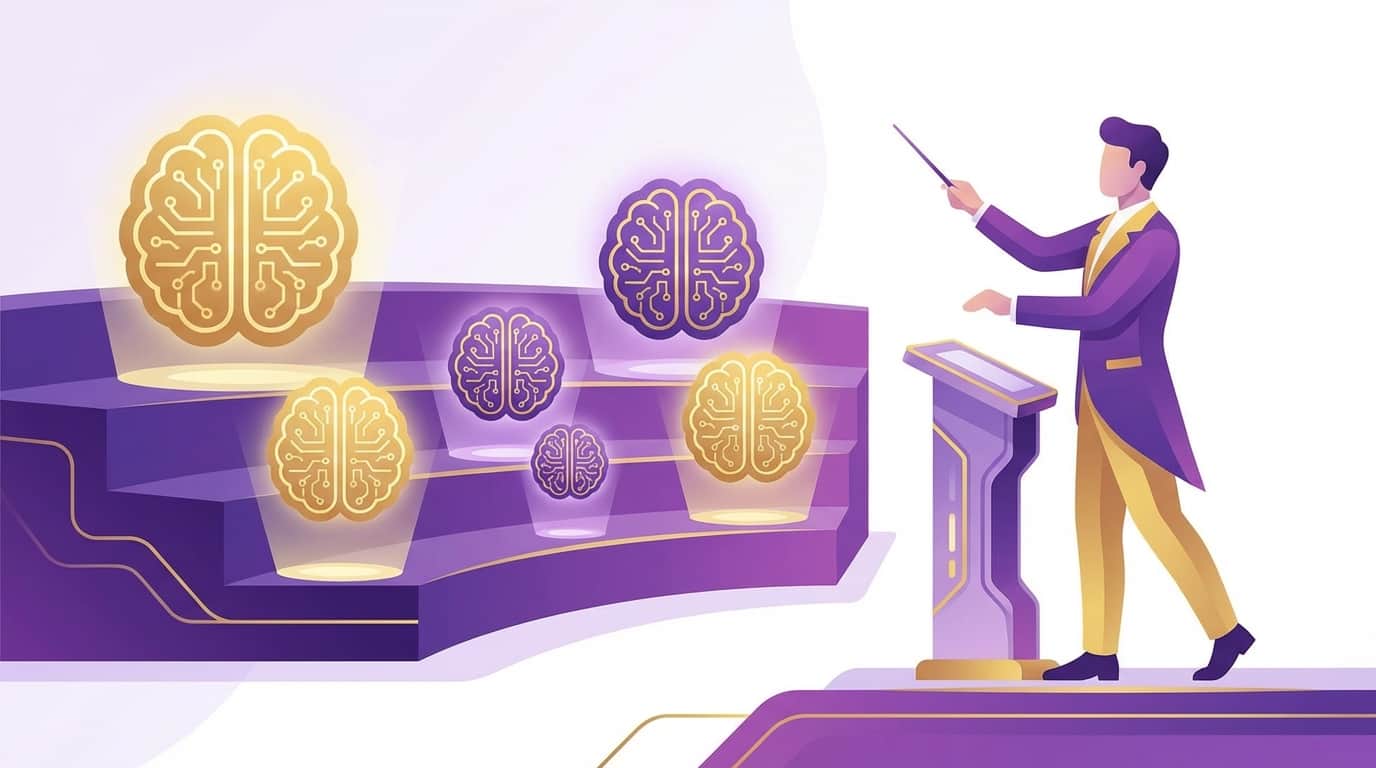
Choosing Your Conductor: The AI Engine That Runs Your Orchestra
Your model choice makes or breaks everything. Here's what actually works.
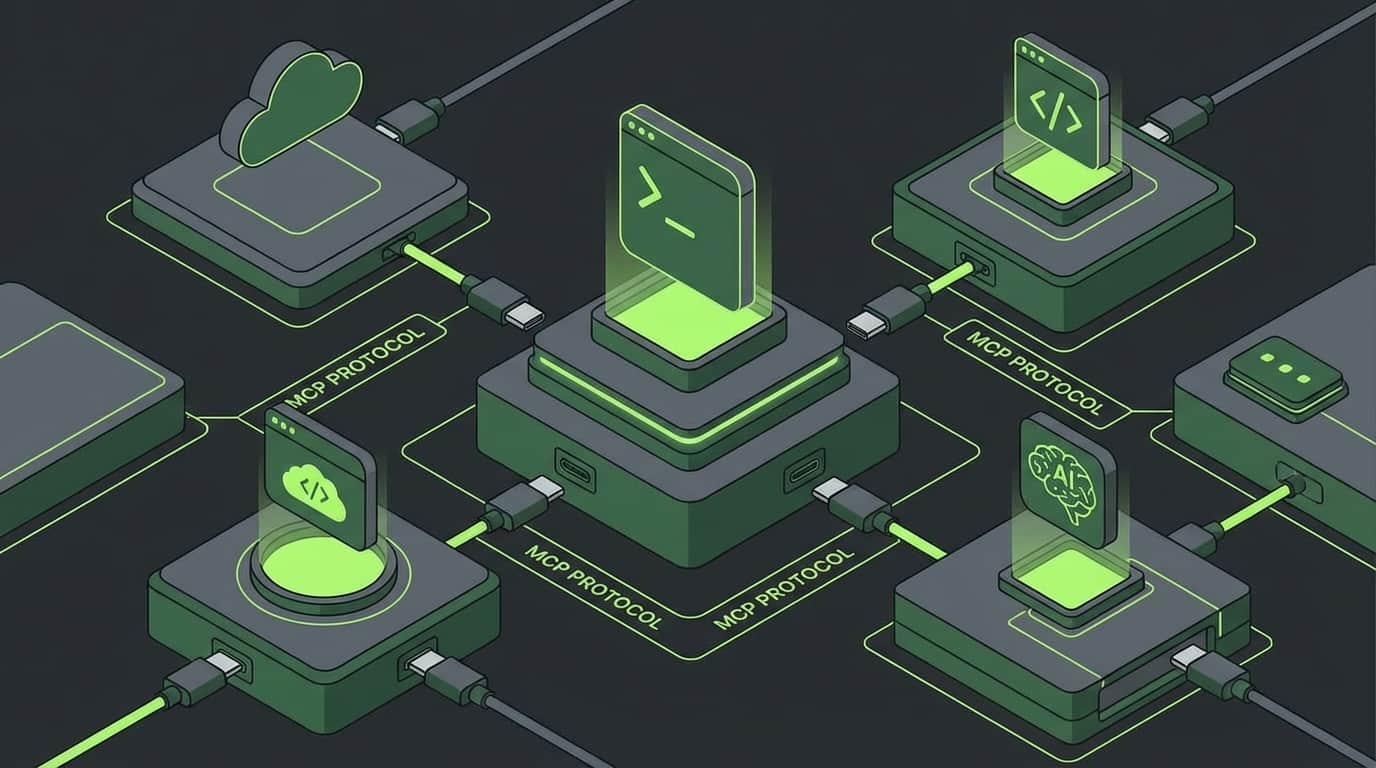
Building the Stage: Platforms and Tools for AI Orchestration
The platform you choose determines what's possible. Here's what actually works.
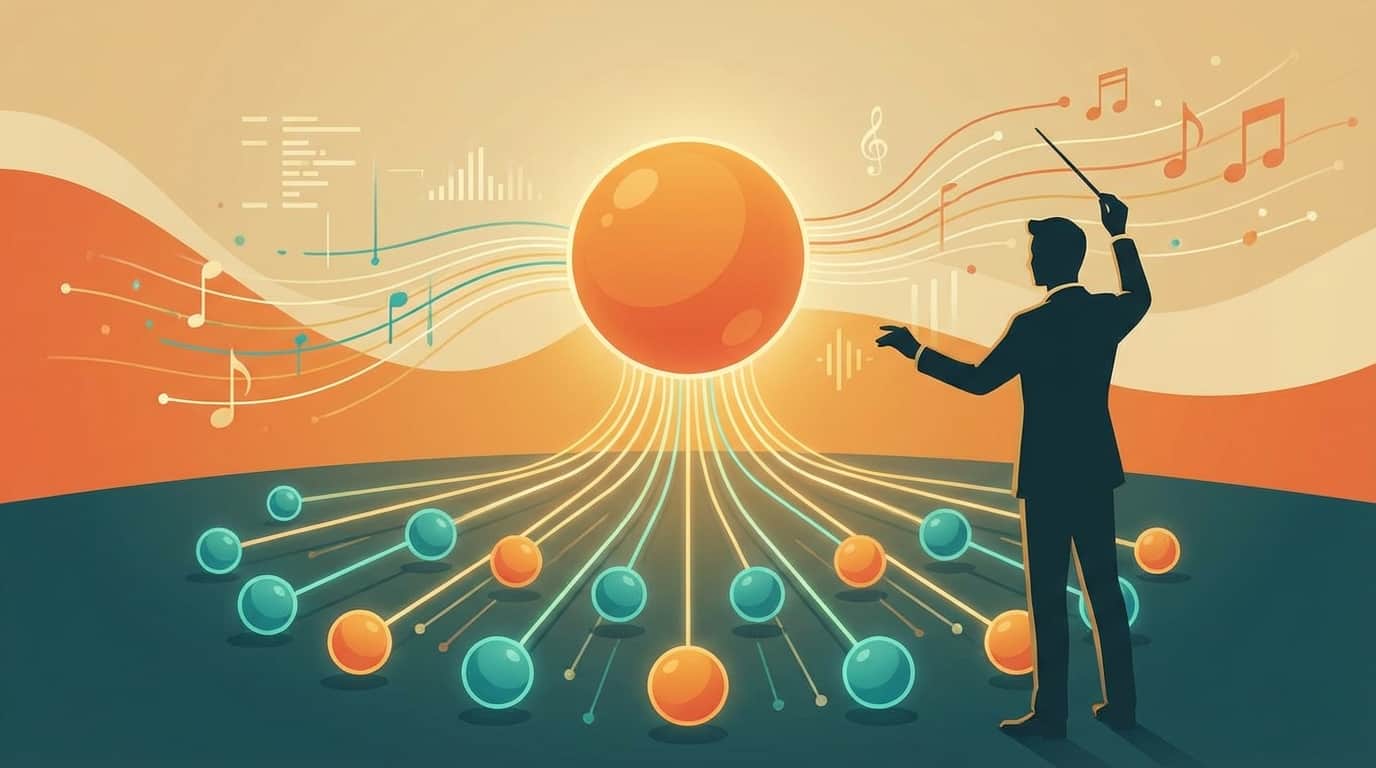
Your First Orchestra: From Solo Act to Multi-Agent Symphony
Stop drowning in single-agent chaos. Here's how I built my first multi-agent workflow that saved me 4 hours a day.

The Compound Effect: From One Agent to an AI Organization
How I scaled from 1 agent to 13+ orchestras running simultaneously, and why memory is everything.

The Translation Test: Why I Built What Others Just Theorize About
AI didn't replace translators—it made specification the new superpower. I built Text Grand Central to prove it, and discovered the future of work.